How App-Enabled USB-C Earphones Are Shaping OEM Product Development
Just another WordPress site
Press Release Disclaimer: This is a press release distributed through the XPR Media network. It has not been independently verified by our newsroom.

Shenzhen City, Guangdong Province, P.R.China – October13,2026
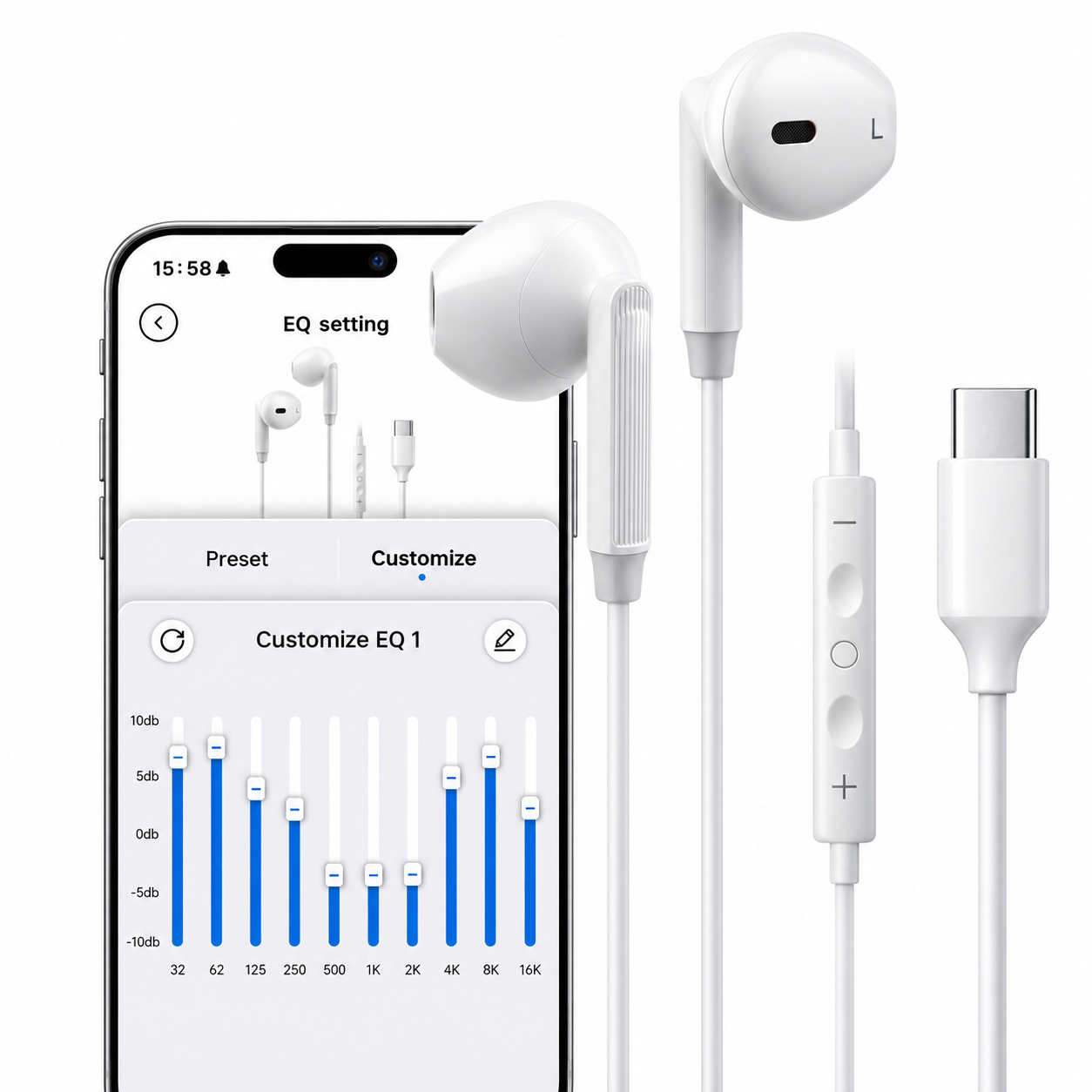
When a wired earphone includes an app, EQ presets, and AI interpretation, buyers need to evaluate more than sound quality. The product is no longer just a cable, speakers, and a microphone. Its performance also depends on the built-in DAC, target USB-C devices, app support, and translation service.
This creates useful opportunities for brands, but it also adds new points that must be checked before sample approval. A feature shown in a presentation is not enough. Buyers need to know which devices support the earphones, how the six EQ modes change the sound, and what the AI interpretation function requires during real use.
They should also confirm microphone performance, in-line volume adjustment, app language, network access, and account or payment conditions. This article explains how to review these areas so an OEM or ODM buyer can compare the product, approve the right sample, and avoid unsupported marketing claims before launch.
Start With the Intended Use
Before comparing technical features, decide how customers will use the earphones. A model intended for music playback needs reliable audio and simple controls. A model positioned for work, language learning, or travel also needs a dependable microphone, a clear app experience, and well-tested interpretation support.
This distinction affects the whole project. If customers only need basic listening, app functions can add testing and support work without adding enough value. If the product is meant for communication and language use, the app becomes part of the product experience and must be included in sample approval.
For most buyers, the right first question is not “How many features does it have?” It is “Which features will our customers actually use, and under what conditions?”
Test USB-C Compatibility Before Appearance
A USB-C plug does not guarantee that every function will work on every USB-C device. The earphones include a built-in DAC, or digital-to-analog converter, which converts digital audio signals for playback. Device support can still differ across phones, tablets, and computers.
Create a short test list based on the devices used in the target market. On each device, check music playback, microphone input, and in-line volume adjustment. Complete this test before approving colors, logos, or packaging because a compatibility problem can affect the product itself, not just its presentation.
Record the tested device models and results. “USB-C compatible” is too broad if only a small number of devices have been checked.

Review EQ as Part of the App Experience
EQ means equalization. It changes the balance of bass, vocals, and instruments. Instead of asking users to adjust technical controls, the app provides six ready-made modes: Default, Popular, Dance, Classical, Jazz, and Slow Song.
Do not judge these modes only by their names. Listen to every preset on the approved earphone sample and note how the sound changes. Also check whether the selected mode remains active after the earphones are disconnected and connected again.
English wording matters as well. If names such as Popular and Slow Song will appear in the final app, confirm that the wording matches the intended meaning and the final user interface. App language, branding, and instructions should be reviewed together so the product does not feel unfinished after launch.
Test AI Interpretation as a Complete System
AI simultaneous interpretation does not happen inside the earphones alone. The microphone captures speech, the app processes it through a supported translation service, and the translated audio plays through the earphones. The complete experience therefore depends on the earphones, phone, app, translation service, and network conditions.
Testing should follow the same path that a customer will use. Select the intended phone, open the app, choose a supported language pair, and complete a real conversation. Check whether speech is captured clearly, whether the translated audio is understandable, and whether the process remains stable during continued use.
Before publishing any translation claim, confirm the supported languages and operating systems. Also confirm whether users need internet access, an account, a subscription, or a paid service. If these conditions are missing from the product page or instructions, customers can misunderstand what the earphones can do.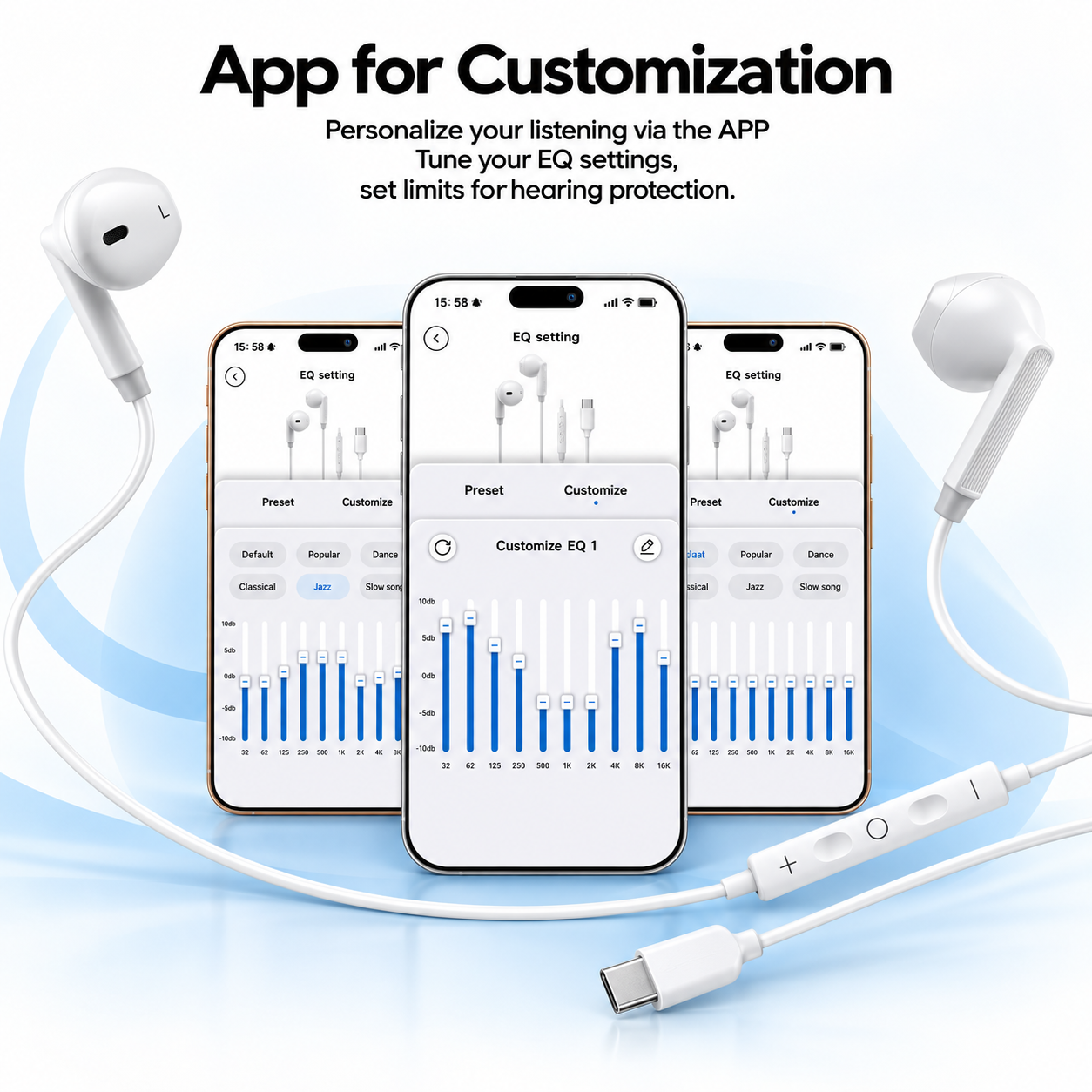
Check the Everyday User Experience
Smart functions are useful only when the basic product remains easy to operate. The built-in microphone should provide clear voice input for calls, meetings, and the interpretation app. The in-line volume control should adjust the listening level correctly on the tested devices.
The earphones do not need to be charged or paired through Bluetooth. This supports long meetings, study sessions, and travel without battery planning. It also reduces common questions about charging cases and connection setup.
Wired and wireless earphones serve different needs. Choose this USB-C design when a stable connection, simple setup, and charging-free use matter more than freedom of movement.
Lock the Approved Product Configuration
Sample approval should cover both the physical earphones and the connected app experience. Record the approved DAC solution, tested device list, EQ mode names, app version, supported languages, and interpretation conditions in the product specification.
Packaging and online product pages should use the same confirmed information. Do not describe the earphones as supporting every USB-C device or every language unless testing proves that claim.
If the DAC solution, app version, device list, or translation service changes before production, test the affected functions again. A sample approved under one configuration does not automatically approve a different configuration.
Decide Whether the Product Fits Your Market
App-enabled USB-C earphones fit brands that want more than a basic wired audio accessory but do not want to add battery charging or Bluetooth pairing. The combination of a built-in DAC, six EQ modes, microphone, in-line volume control, and app-assisted AI interpretation can support work, education, travel, and language-learning product lines.
The product is less suitable when customers mainly want wireless movement or when the brand cannot support the app experience after launch. The best sourcing decision comes from matching the functions to a clear use case and verifying every customer-facing claim on the final sample.
Contact Sonun to request a sample, review the product specifications, confirm device and app compatibility, or discuss OEM and ODM requirements for branding, appearance, and packaging.
About us
SONUN is a Shenzhen-based manufacturer specializing in headband Bluetooth headphones. We work with overseas brands, importers, retailers, distributors and trading companies that need a manufacturing partner for both existing product programs and new product development.
Media Contact
Company Name: Shenzhen Sonun Technology Co., Ltd.
Contact Person: Media Relations
Email: Send Email
Country: China
Website: https://www.sonunaudio.com/
Press Release Distributed by ABNewswire.com
To view the original version on ABNewswire visit: How App-Enabled USB-C Earphones Are Shaping OEM Product Development